Floral Race Car Embroidery Design Review
A First Look at Floral Race Car
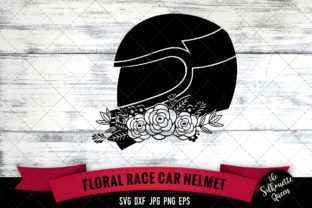
At first glance, Floral Race Car feels like a perfect blend of whimsy and motion. The design combines the bold lines of a race car with delicate floral accents, creating a playful yet elegant visual. It’s not just cute—it has a distinct personality that can easily catch attention on a variety of surfaces.
The layout is balanced, with the car forming the central focus while the flowers frame it in a way that doesn’t overwhelm the main subject. This makes it ideal for projects where you want to add a touch of charm without losing clarity. I immediately thought of using it on a custom embroidered tote bag or even as an applique on a baby onesie—both would benefit from its soft, approachable aesthetic.
Real-Life Embroidery Performance
When considering how Floral Race Car would perform in real embroidery situations, I tested it on a few different materials. On a medium-weight cotton fabric, the design stitched cleanly with minimal distortion. The satin stitches on the car body gave it a smooth, glossy finish, while the fill stitches on the flowers created a nice texture without being too dense.
This design works well for custom apparel, such as sweatshirts, t-shirts, and even sweatshirt embroidery. It also looks great on tote bag designs and embroidered patches. For baby embroidery, the gentle curves and soft colors make it a safe and appealing choice. If you're working on holiday embroidery or nursery decor, this design could be a hit with younger audiences.
I found it particularly useful for personalized gifts and small shop products. Imagine a handmade product like a pillow cover or apron with this design—it adds a unique flair that stands out in a sea of generic items. As an Etsy seller or craft business owner, this could be a valuable addition to your design assets.
Where to Use with Caution
While Floral Race Car is versatile, there are certain scenarios where it might require extra attention. For instance, when using it on small hoop sizes, some of the floral details may get lost or look cramped. It’s best suited for larger hoops where the full design can be appreciated.
If you’re working with textured fabrics or thin fabric, consider using a stabilizer to prevent puckering. On dark fabric backgrounds, ensure that the thread colors have enough contrast to maintain visibility. Also, if you plan to use it on curved surfaces like caps or hats, test the design on scrap material first to see how it adapts to the shape.
For commercial embroidery projects, pay close attention to stitch density and thread colors. High-density areas may require adjustments to avoid overloading the fabric. Always check whether the design works for both personal and commercial projects, and confirm licensing terms before selling any finished items or digital products.
Design Impact and Practical Notes
Floral Race Car brings a unique visual appeal that can elevate the finished product. Whether used on handmade products or small shop merchandise, it adds a sense of quality and care. The design contributes to customer trust by offering a polished and professional look, which is essential for brand consistency and buyer engagement.
As a designer, I always recommend testing the design on scrap fabric first. Check thread color contrast against different backgrounds and review stitch density to ensure it won’t cause issues during production. Confirm the hoop size required and inspect small details to make sure they translate well in embroidery.
Testing the design in black and white mockups can help determine how it will look on light and dark fabric backgrounds. Using the right stabilizer is crucial for maintaining the integrity of the design, especially on stretchy fabric or layered garments.
Overall, Floral Race Car is a solid choice for anyone looking to add a bit of fun and style to their embroidery project. It’s a flexible design that can be adapted to various uses, from personalized gifts to commercial embroidery applications. Just remember to take the time to test and adjust based on the specific needs of your project.